One of the most common questions patients ask when considering braces or clear aligners is: How long will my orthodontic treatment take?
For many patients, comprehensive orthodontic treatment takes approximately 12 to 24 months, although simpler cases may take less time and more complex bite or alignment problems may take longer.
Treatment duration depends on several factors, including the severity of misalignment, bite complexity, the type of appliance used and how your teeth respond to movement.
At Hugo Orthodontics, we assess each patient's teeth, bite, and individual needs to develop a personalised treatment plan with a realistic estimated timeline.
A Guide to Braces and Clear Aligner Timelines
The average orthodontic treatment time varies depending on the complexity of the case and the amount of tooth movement required. While some patients only need minor adjustments, others require comprehensive treatment to correct significant crowding, spacing or bite problems.
As a general guide, orthodontic treatment timelines may look like this:
Treatment Complexity
Estimated Treatment Time
Minor tooth movements
Mild to moderate alignment problems
Comprehensive orthodontic treatment
Complex bite or jaw-related problems
3–6 months
6–18 months
12–24 months
24 months or longer
These are approximate ranges rather than guaranteed timelines. Two patients with similar-looking teeth may require very different treatment approaches depending on their bite, jaw relationships and underlying orthodontic concerns.
A specialist orthodontic assessment is the most reliable way to determine how long your individual treatment is likely to take.
What Factors Affect Orthodontic Treatment Time?
There isn't one fixed timeline for straightening teeth. Several factors influence how long orthodontic treatment takes, and understanding these helps explain why treatment plans differ between patients.
Severity of Crowding or Misalignment
Mild spacing or crowding may require relatively small tooth movements, while severely crowded, rotated or displaced teeth often need more extensive correction. The greater the movement required, the longer treatment may take.
The Type of Bite Problem
Orthodontic treatment isn't only about straightening teeth. Correcting an overbite, crossbite, open bite or other bite discrepancy may require additional movements to improve how the upper and lower teeth fit together.
Age and Jaw Development
Children and teenagers may benefit from treatment during periods of growth, particularly when jaw development needs to be guided. Adults can also achieve excellent orthodontic results, although treatment planning may differ once jaw growth is complete.
The Type of Orthodontic Appliance
Traditional braces and clear aligners can both effectively straighten teeth. However, certain movements may be more predictable with one appliance than another. The most suitable option depends on your individual orthodontic needs rather than which appliance is considered faster.
Patient Cooperation
Following your orthodontist's instructions plays an important role in keeping treatment on track. This includes wearing aligners and elastics as prescribed, attending scheduled appointments and taking care of your appliances.
Individual Biological Response
Orthodontic treatment works through gradual changes in the bone and tissues supporting your teeth. Because everyone responds differently to orthodontic forces, tooth movement can progress at different rates, even between patients with similar treatment plans.
How Long Do Braces Take to Straighten Teeth?
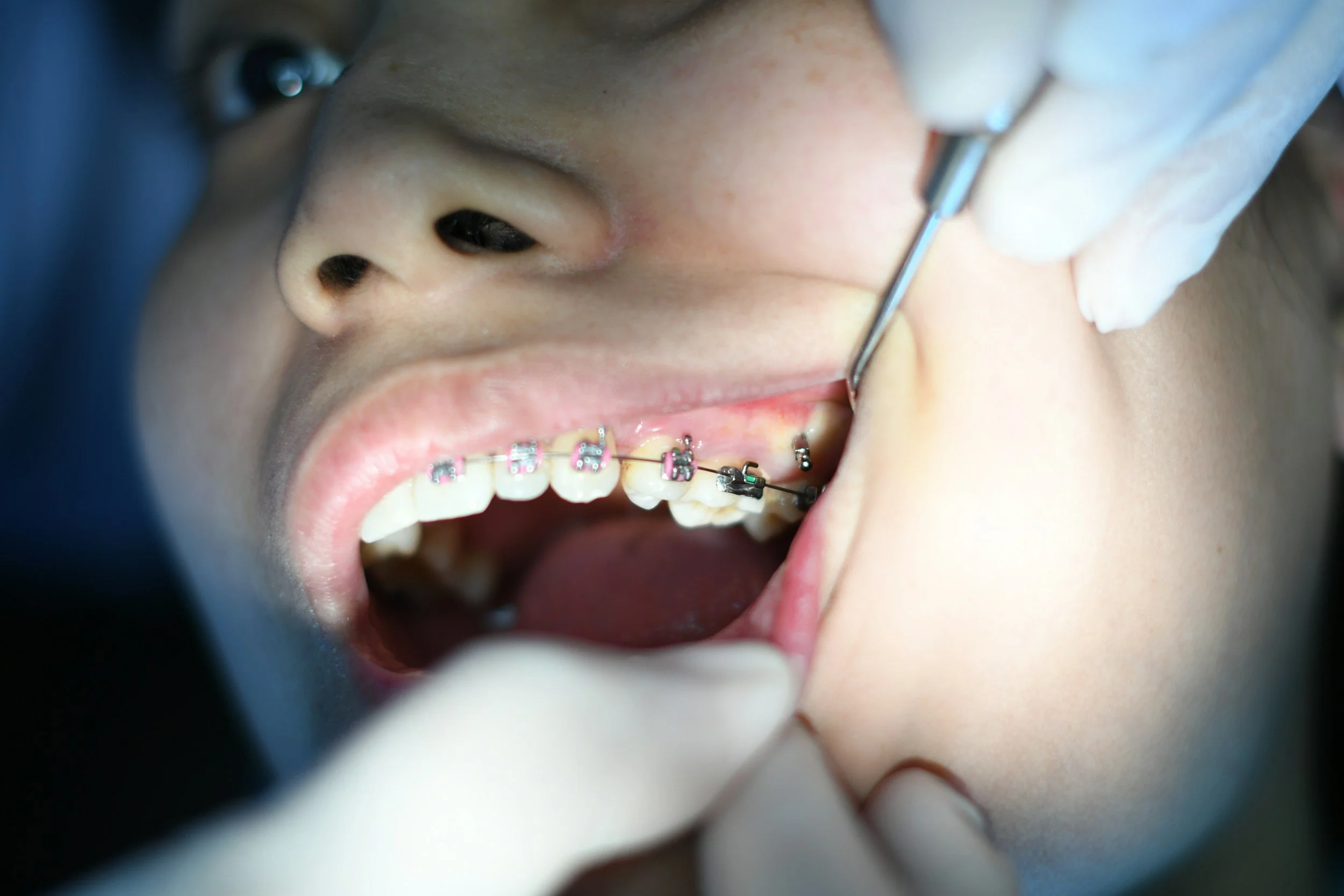
Braces are one of the most widely used orthodontic treatments, with comprehensive treatment typically taking 12 to 24 months. However, the exact duration depends on the complexity of your case and the movements required to achieve the desired result.
Fixed braces use brackets and wires to apply controlled forces that gradually move teeth into their planned positions. They can address a wide range of orthodontic concerns, from mild crowding and spacing to more complex bite discrepancies.
For patients with relatively minor alignment problems, treatment may be completed sooner. More complex cases involving significant rotations, displaced teeth or bite correction may require additional time.
It's also important to remember that teeth appearing straight doesn't necessarily mean treatment is complete. Your orthodontist may still need to refine how your upper and lower teeth fit together to achieve a functional, stable result.
At Hugo Orthodontics, treatment progress is monitored through regular appointments, allowing adjustments to be made as your teeth move towards their planned positions.
How Long Does Clear Aligner Treatment Take?
Clear aligner treatment can take anywhere from 6 to 18 months for many patients, although simpler cases may take less time and more complex orthodontic problems may require longer treatment.
Unlike fixed braces, clear aligners use a series of custom-made, removable trays to gradually move teeth into their planned positions. Each set of aligners is designed to achieve specific tooth movements as part of an individually planned treatment sequence.
The length of treatment depends on the severity of crowding, spacing or bite problems, as well as the number and complexity of movements required.
Patient compliance is particularly important with clear aligners. Aligners generally need to be worn for 20–22 hours per day, or as prescribed by your orthodontist. Not wearing them consistently can affect tooth movement and potentially extend treatment.
Are Clear Aligners Faster Than Braces?
Not necessarily. While clear aligners may be efficient for certain types of tooth movement, they aren't automatically faster than traditional braces.
Some orthodontic problems can be treated effectively with either option, while others may be better suited to fixed braces. Your orthodontist will consider the complexity of your case, your lifestyle and the movements required before recommending the most appropriate treatment.
Orthodontic Treatment for Children, Teenagers and Adults
Age can influence orthodontic treatment planning, particularly when it comes to jaw growth and development. However, there is no single age at which treatment is necessarily faster or more effective.
Orthodontic Treatment for Children
In younger children, early or interceptive orthodontic treatment may be recommended to address specific problems while the jaws are still developing.
This may involve creating space for permanent teeth, correcting certain bite discrepancies or guiding jaw development. Early treatment does not always eliminate the need for braces later, and some children benefit more from monitoring until the appropriate stage of development.
Orthodontic Treatment for Adults
There is no upper age limit for orthodontic treatment, provided the teeth and supporting tissues are healthy enough for movement.
Adult treatment may require additional considerations, such as existing dental restorations, gum health, bone support and the fact that jaw growth is complete.
However, adult orthodontic treatment does not automatically take longer. The duration depends primarily on the individual orthodontic problem and the treatment required.
Orthodontic Treatment for Teenagers
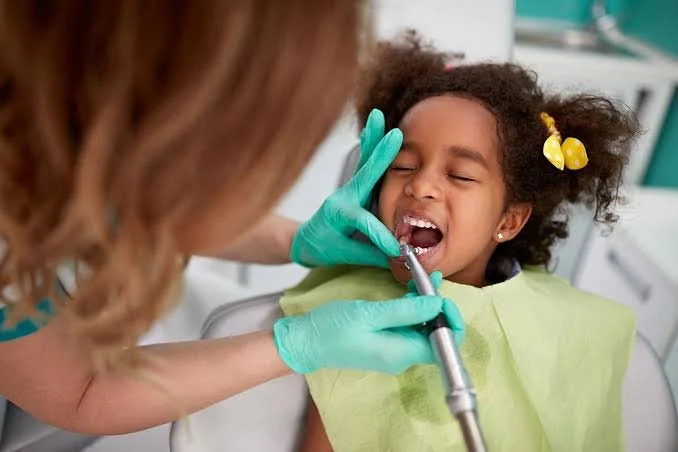
The teenage years are a common time for comprehensive orthodontic treatment, as most permanent teeth have erupted and some jaw growth may still be occurring.
Depending on the complexity of the case, treatment with braces or clear aligners often takes approximately 12–24 months.
What Happens During the Different Stages of Orthodontic Treatment?
Orthodontic treatment takes place in several stages, each contributing to the final result. Understanding these stages helps explain why treatment continues even after your teeth begin to look straighter.
1. Initial Consultation and Assessment
Your orthodontist examines your teeth, bite and jaw relationships, using clinical records such as digital scans, photographs and X-rays where appropriate. This information helps identify the problems that need correcting.
2. Treatment Planning and Appliance Fitting
A personalised treatment plan is developed, including the recommended appliance and estimated treatment duration. Your braces or clear aligners are then fitted or provided, and active treatment begins.
3. Active Tooth Movement and Bite Correction
During this stage, teeth gradually move towards their planned positions. Regular appointments allow your orthodontist to monitor progress, make adjustments and address any changes needed to achieve the desired bite.
4. Finishing and Detailing
Even when your teeth appear straight, smaller adjustments may still be necessary to refine tooth positions, alignment and how your upper and lower teeth meet.
5. Retention
Once active treatment is complete, braces are removed or aligner treatment ends, and retainers are provided to help maintain your results.
Retention is an ongoing part of orthodontic care, as teeth can continue to shift over time without appropriate retainer wear.
Can Orthodontic Treatment Take Longer Than Expected?
While your orthodontist will provide an estimated treatment timeline, the actual duration can sometimes change as treatment progresses.
Several factors may contribute to delays, including:
Missed appointments: Regular check-ups allow your orthodontist to monitor tooth movement and make necessary adjustments.
Broken brackets or damaged appliances: Breakages can interrupt planned tooth movement until the appliance is repaired.
Inconsistent aligner wear: Not wearing clear aligners for the prescribed number of hours can slow progress.
Not wearing elastics as instructed: Orthodontic elastics are often used to correct bite relationships, and inconsistent wear may delay these movements.
Oral health problems: Tooth decay or gum inflammation may require treatment before orthodontic care can safely continue.
Unexpected tooth movement: Teeth don't always respond exactly as predicted, and additional adjustments or refinements may be necessary.
Not every delay can be prevented. However, following your orthodontist's instructions and attending regular appointments can help keep treatment progressing as planned.

Why Retainers Are Important After Orthodontic Treatment
Completing your braces or clear aligner treatment doesn't mean your teeth will stay in their new positions permanently without support.
After orthodontic treatment, the tissues surrounding your teeth need time to adapt, and natural changes in tooth position can continue throughout life. Without proper retention, teeth may gradually shift back towards their original positions, a process known as orthodontic relapse.
Retainers help maintain the alignment achieved during treatment. Depending on your individual needs, your orthodontist may recommend fixed retainers, removable retainers or a combination of both.
Retention is a long-term commitment, and following your prescribed retainer routine is essential for protecting your orthodontic results.
Your Orthodontic Treatment Timeline at Hugo Orthodontics
At Hugo Orthodontics, we understand that knowing what to expect from your treatment is important.
Our specialist orthodontic team begins with a comprehensive assessment of your teeth, bite and jaw relationships to develop a personalised treatment plan. This allows us to recommend the most appropriate treatment options and provide a realistic estimate of how long your orthodontic treatment may take.

Throughout treatment, we monitor your progress, make adjustments where necessary and keep you informed about each stage of the process.
Whether you're considering braces or clear aligners, a consultation at Hugo Orthodontics in Johannesburg is the first step towards understanding your treatment options, expected timeline and individual orthodontic needs.
FAQs
1. How long does orthodontic treatment usually take?
Most comprehensive orthodontic treatments take approximately 12 to 24 months. However, minor alignment problems may be corrected sooner, while complex bite discrepancies or significant crowding may require longer treatment.
2. What is the shortest time you can have braces?
Some minor orthodontic corrections may take as little as 3–6 months. However, this is not suitable for every patient. Treatment duration depends on the tooth movements required and whether additional bite correction is necessary.
3. How long do braces take to straighten crowded teeth?
Mild crowding may be corrected within several months, while moderate to severe crowding often requires 12–24 months or longer, particularly when additional space creation or bite correction is needed.
4. How long do braces take to fix an overbite?
Correcting an overbite may take approximately 12–24 months, depending on its severity and whether the problem involves tooth position, jaw relationships or both. More complex cases may require additional treatment time.
5. How long does clear aligner treatment take?
Clear aligner treatment often takes approximately 6–18 months, although timelines vary considerably. Minor corrections may take less time, while complex cases may require additional aligners and longer treatment.
6. Are clear aligners faster than braces?
Not necessarily. Clear aligners may be efficient for certain tooth movements, while braces may be more suitable for others. Neither option is universally faster, and the best choice depends on your individual orthodontic needs.
7. Does orthodontic treatment take longer for adults?
Not always. Adults can achieve excellent orthodontic results, and treatment duration depends primarily on the complexity of their case. However, factors such as gum health, existing dental restorations and completed jaw growth may influence treatment planning.
8. Can braces straighten teeth in six months?
Some minor alignment problems can be corrected in approximately six months. However, comprehensive orthodontic treatment usually takes longer because correcting the bite and achieving appropriate tooth positions involves more than straightening visible front teeth.
9. Why are my braces taking longer than expected?
Treatment delays may result from missed appointments, broken appliances, inconsistent elastic wear or teeth responding differently than anticipated. Your orthodontist can explain whether adjustments to your original treatment timeline are necessary.
10. How often do you need orthodontic appointments?
Orthodontic appointments are commonly scheduled every 4–10 weeks, depending on the appliance, treatment stage and individual needs. Your orthodontist will recommend an appointment schedule appropriate for your treatment.
11. Can you speed up orthodontic treatment safely?
The best way to support efficient treatment is to follow your orthodontist's instructions, attend appointments, maintain good oral hygiene and wear prescribed appliances consistently. Tooth movement is a biological process that cannot safely be rushed.
12. Why do I still need braces if my teeth look straight?
Even when your front teeth appear straight, your orthodontist may still need to refine tooth positions, correct your bite or improve how your upper and lower teeth fit together. These finishing stages are important for achieving the planned result.
13. How long do you have to wear retainers after braces?
Retainers are generally recommended for long-term use because teeth can continue to shift throughout life. Your orthodontist will provide specific instructions on how often to wear your retainers to maintain your results.
14. How much does orthodontic treatment cost in Johannesburg?
Orthodontic treatment costs in Johannesburg vary depending on the complexity of your case, the appliance selected and the expected treatment duration. A specialist consultation at Hugo Orthodontics allows us to assess your needs and discuss the appropriate treatment options and associated costs.
15. Where can I get an orthodontic treatment consultation in Johannesburg?
Hugo Orthodontics provides specialist orthodontic consultations in Johannesburg for children, teenagers and adults. During your assessment, our team evaluates your teeth, bite and jaw relationships to recommend suitable treatment options and provide an estimated treatment timeline.
Follow Our Socials: