One of the most common questions patients ask when considering orthodontic treatment is whether braces can change their face shape.
The short answer is that braces can influence certain aspects of your facial appearance, particularly your smile, lip support and facial profile. However, the extent of these changes depends on your existing tooth positions, jaw relationships, age and individual treatment plan.
At Hugo Orthodontics, we consider both dental alignment and facial proportions when planning treatment. Understanding how orthodontics may affect your appearance is an important part of setting realistic expectations.
How Can Braces Affect Your Facial Appearance?
Braces work by applying controlled forces to gradually reposition teeth within the supporting bone. Although their primary purpose is to correct tooth alignment and bite discrepancies, these changes can sometimes influence the appearance of the surrounding facial structures.
The most noticeable changes typically involve:
Smile appearance: Straightening teeth can change the width, symmetry and overall appearance of your smile.
Lip support: Moving front teeth may alter how the lips rest against them.
Facial profile: Correcting certain tooth positions can influence the appearance of the lips and lower face.
Bite alignment: Improving how the upper and lower teeth meet can affect the relationship between the teeth and surrounding soft tissues.
However, braces do not directly reshape the facial bones of adults. Significant skeletal changes generally require different treatment approaches.
Can Braces Change Your Jawline?
Many patients wonder whether braces can create a more defined jawline or change the shape of their chin.
In most adults, braces primarily move teeth rather than changing the underlying jawbone structure. While correcting certain bite problems may influence the appearance of the lower face, these changes are generally subtle.
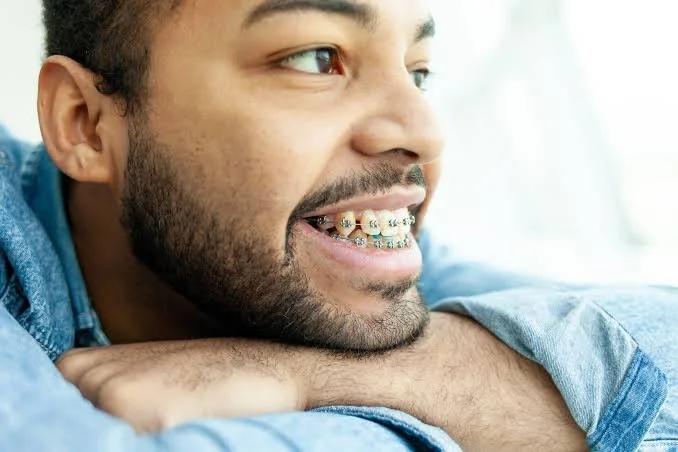
For example, improving the position of protruding front teeth may change how the lips sit, which can influence the overall facial profile.
However, a significantly recessed or prominent jaw is usually a skeletal concern rather than simply a problem with tooth alignment.
In cases involving substantial jaw discrepancies, orthodontic treatment may need to be combined with orthognathic surgery to correct the underlying skeletal relationship.
How Different Bite Problems Affect Facial Appearance
Different orthodontic problems can influence facial appearance in different ways. Understanding the relationship between your teeth and jaws helps explain why treatment outcomes vary between patients.
Overbite and Deep Bite
A deep bite occurs when the upper front teeth excessively overlap the lower front teeth vertically.
In some patients, this can influence the appearance of the lower facial proportions, particularly when the teeth are closed.
Correcting a deep bite may improve tooth relationships and, in certain cases, subtly change the appearance of the lower face.
Overjet and Protruding Front Teeth
Overjet describes the horizontal distance between the upper and lower front teeth.
When the upper front teeth protrude significantly, they may affect lip support or make comfortable lip closure more difficult.
Repositioning these teeth can sometimes produce noticeable changes in the lips and side profile.
Underbite
An underbite occurs when the lower front teeth sit ahead of the upper front teeth.
This may result from tooth positioning, jaw relationships or a combination of both.
Where the problem is primarily dental, orthodontic treatment may improve the bite. More significant skeletal underbites may require jaw surgery, particularly in adults.
Open Bite
An open bite occurs when certain upper and lower teeth do not meet when the mouth is closed.
Depending on the underlying cause, an open bite may be associated with differences in dental or facial proportions.
Treatment focuses on improving the bite, although changes in facial appearance depend on whether the problem is dental or skeletal.
Can Braces Change Your Lips?
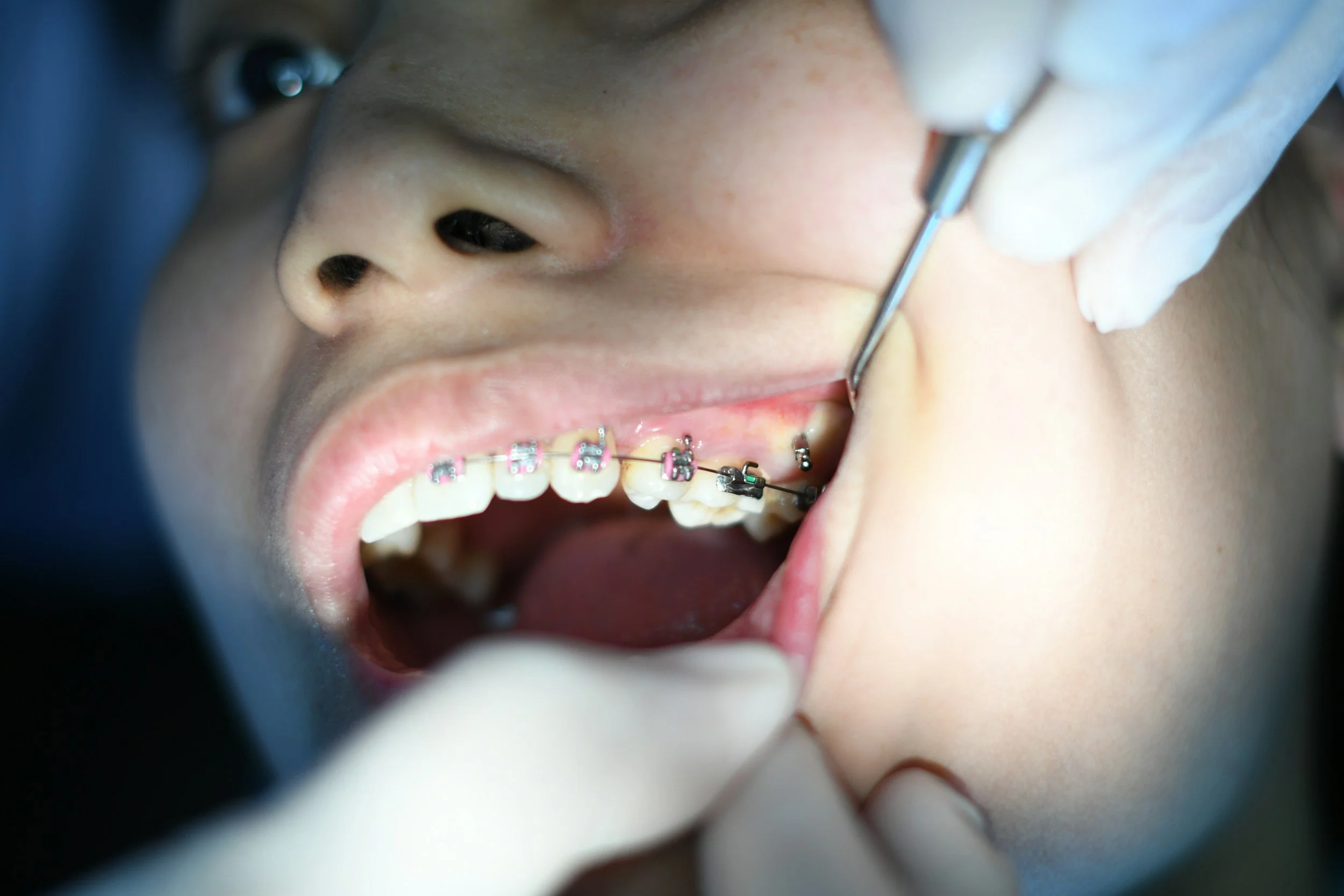
Yes, orthodontic treatment can sometimes change the position or appearance of your lips.
Your front teeth provide some of the structural support for your lips. When these teeth are repositioned, the surrounding soft tissues may respond.
For example, moving significantly protruding front teeth backwards may reduce lip prominence in certain patients.
Can Braces Make Your Face More Symmetrical?
Facial symmetry is influenced by several factors, including genetics, jaw development, skeletal structure and soft tissues.
Orthodontic treatment can improve dental symmetry by correcting crooked teeth, uneven spacing and certain bite discrepancies.
In some patients, these improvements may make the smile or lower face appear more balanced.
However, braces cannot correct every form of facial asymmetry.
Where asymmetry is caused by a significant difference in jaw size or position, orthodontic treatment alone may not be sufficient. Additional assessment or combined surgical treatment may be necessary.
Do Braces Change Your Face Shape Differently in Children and Adults?
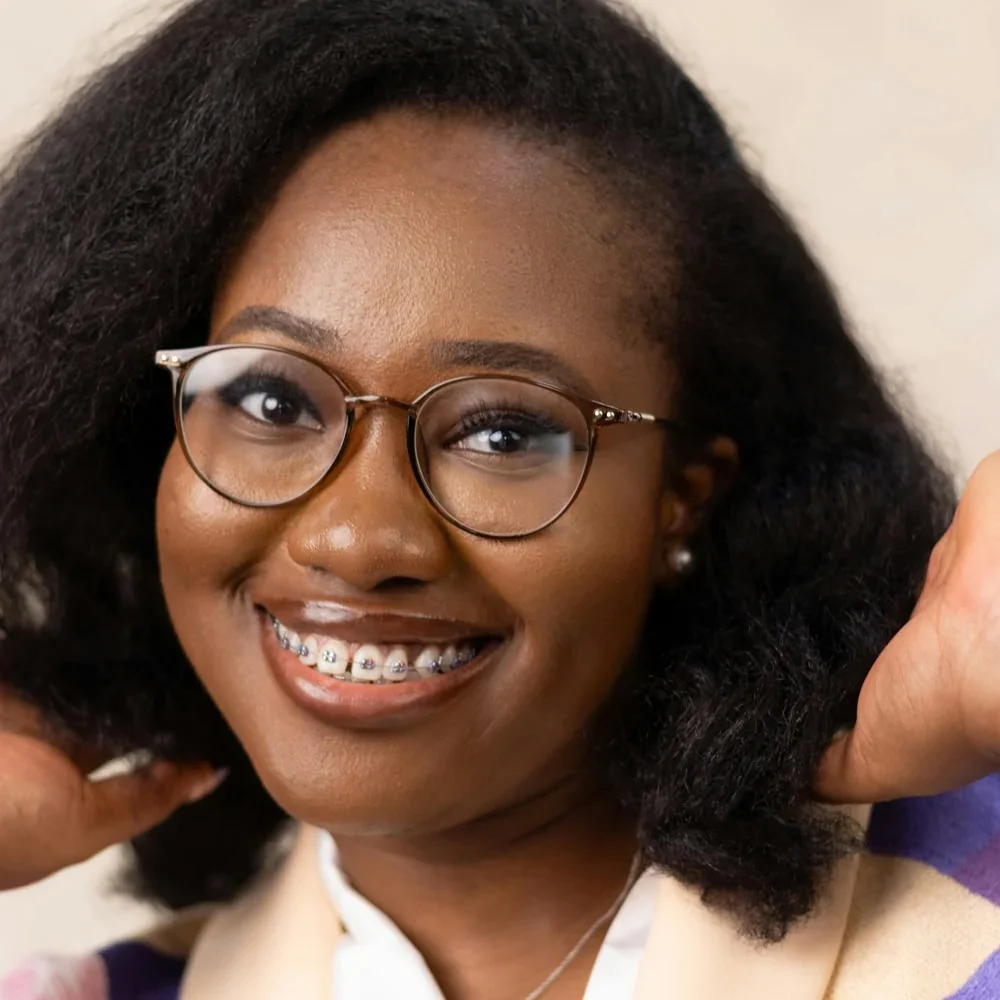
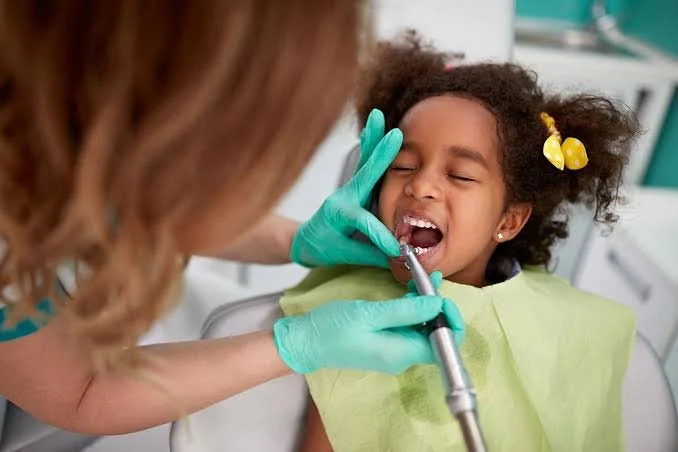
Age is an important consideration because the jaws and facial structures develop throughout childhood and adolescence.
Children and Teenagers
In growing patients, certain orthodontic appliances may be used to influence dental arch development or guide aspects of jaw growth.
Early orthodontic assessment can help identify developing bite problems and determine whether treatment during growth may be beneficial.
However, not every child requires early intervention, and treatment recommendations depend on the specific orthodontic problem.
Adults
Once jaw growth is complete, orthodontic treatment primarily changes tooth positions.
Adults can still experience improvements in their smile, lip support and facial profile, but significant changes to jaw size or position generally cannot be achieved with braces alone.
For adults with substantial skeletal discrepancies, combined orthodontic and surgical treatment may be considered.
Do Clear Aligners Change Your Face Shape Too?
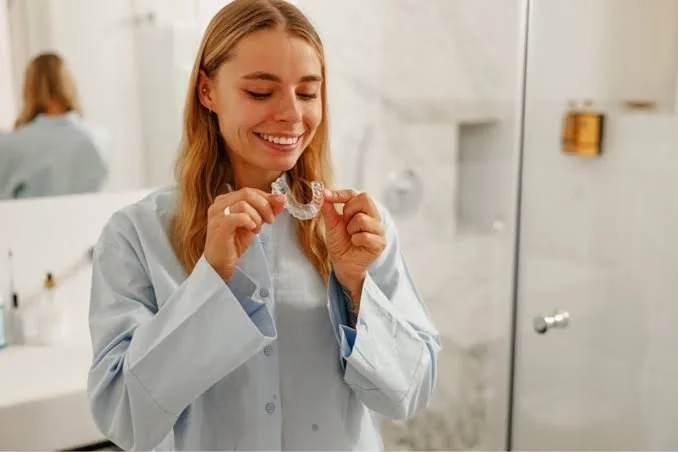
Clear aligners and fixed braces both work by moving teeth into planned positions.
As a result, either treatment may influence smile appearance, lip support or facial profile when meaningful changes in tooth position are achieved.
The extent of these changes depends on the movements required rather than whether braces or clear aligners are used.
Not every orthodontic problem is equally suited to both appliances. Your orthodontist will recommend the most appropriate option based on your teeth, bite and overall treatment goals.
Can Braces Change Your Face Shape Without Jaw Surgery?
In many cases, orthodontic treatment can improve dental alignment and certain aspects of facial appearance without surgery.
However, it is important to distinguish between dental changes and skeletal changes.
Braces can reposition teeth within the jaws, potentially influencing the smile and surrounding soft tissues. They cannot significantly reposition fully developed jawbones.
For patients with major skeletal discrepancies, orthodontic camouflage may be appropriate in selected cases, while others may benefit from orthognathic surgery.
The most appropriate approach depends on the severity of the discrepancy, facial proportions, bite function and individual treatment goals.
Why Facial Aesthetics Matter in Orthodontic Treatment Planning
Successful orthodontic treatment involves more than achieving straight teeth.
An orthodontist must consider how tooth movements affect the bite, supporting tissues and overall facial appearance.
At Hugo Orthodontics, our specialist team assesses:
Tooth alignment and available space
Upper and lower jaw relationships
Bite function and tooth contact
Facial proportions and symmetry
Lip position and support
Growth and development where relevant
Long-term treatment stability
By considering these factors together, we can develop a personalised treatment plan that balances dental health, function and aesthetics.
The aim is not to create the same smile or facial profile for every patient, but to achieve an appropriate result for each individual's anatomy and orthodontic needs.
Orthodontic Treatment and Facial Aesthetics at Hugo Orthodontics
If you're considering braces or clear aligners in Johannesburg, understanding how treatment may affect your facial appearance is an important part of the consultation process.
At Hugo Orthodontics, we assess your teeth, bite, jaw relationships and facial proportions before recommending treatment.
Whether your concern is protruding teeth, an uneven smile or a bite discrepancy, our specialist orthodontic team can explain which changes may realistically be achieved and which treatment options are appropriate.
Book a consultation at Hugo Orthodontics in Johannesburg to discuss your orthodontic needs and treatment goals.

FAQs
1. Can braces change your face shape?
Braces can influence facial appearance by changing tooth positions, lip support and smile proportions. However, they do not significantly reshape the underlying jawbones in adults.
2. Can braces make your jawline sharper?
Braces do not directly create a sharper jawline. Certain changes in tooth position or bite relationships may subtly influence the appearance of the lower face, but results vary.
3. Do braces change your side profile?
They can. Repositioning protruding or retruded front teeth may influence lip position and facial profile. The extent of change depends on your individual anatomy and treatment plan.
4. Can braces change your lips?
Yes. Because the front teeth support the lips, moving them can sometimes affect lip prominence or resting position. These changes are not identical for every patient.
5. Can braces make your face more symmetrical?
Braces can improve dental symmetry and certain bite discrepancies. However, significant facial asymmetry caused by skeletal differences may require additional treatment.
6. Can braces change your chin?
Braces do not directly change the size or shape of the chin in adults. Significant changes to chin position generally require surgical treatment.
7. Do braces change your nose?
Braces do not directly reshape the nose. Changes in surrounding dental and lip positions may affect how facial proportions appear, but the nasal structure itself is not altered by braces.
8. Can braces make your face look slimmer?
Braces are not designed to make the face slimmer. Changes in tooth position may influence facial appearance, but they do not reliably reduce facial width or facial fat.
9. Can braces fix an uneven jaw?
Braces can correct certain dental discrepancies, but significant skeletal jaw asymmetry generally cannot be corrected with braces alone. A specialist assessment is needed.
10. Do braces change your face more when you're younger?
Growing patients may have treatment options that take advantage of ongoing jaw development. Adults generally experience changes related to tooth movement rather than skeletal growth.
11. Can clear aligners change your facial appearance?
Yes. Clear aligners may influence the smile, lip support and facial profile through tooth movement, depending on the orthodontic problem being treated.
12. Will my face look different after braces are removed?
You may notice changes in your smile, tooth alignment or lip support. However, not every patient experiences a noticeable change in their overall facial appearance.
13. Can braces fix a recessed chin?
Braces alone cannot significantly reposition a recessed chin in adults. Treatment depends on whether the concern involves tooth position, jaw relationships or the chin itself.
14. How much do braces cost in Johannesburg?
The cost of braces in Johannesburg depends on treatment complexity, appliance selection and individual orthodontic needs. A consultation at Hugo Orthodontics allows us to assess your case and discuss treatment options and costs.
15. Where can I get braces or clear aligners in Johannesburg?
Hugo Orthodontics provides specialist orthodontic treatment in Johannesburg, including braces and clear aligners. Our team assesses dental alignment, bite function and facial proportions to develop personalised treatment plans.
Follow Our Socials: