
Oral Hygiene
Our Approach to Oral Hygiene at Hugo
Maintaining excellent oral hygiene is critical to the success of orthodontic treatment. Effective brushing, daily flossing, the use of a Waterpik, and following a low‑sugar, low‑carbohydrate diet all play an important role in keeping teeth and gums healthy during treatment.
At Hugo Orthodontics, we closely monitor oral hygiene, and if a patient scores below 8, both the patient and their dentist are automatically notified by email so that prompt action can be taken to halt or reverse any early damage. Plaque‑disclosing tablets are strongly recommended, as they clearly highlight areas that are being missed during cleaning.
The tongue is another common source of plaque and should be cleaned regularly, as plaque bacteria feed on sugars and carbohydrates in the diet, multiply, produce acid, and damage the teeth, gums, periodontal ligament, and bone. Limiting dietary sugars and refined carbohydrates is therefore essential — without them, tooth decay and gum disease cannot develop. While a Waterpik is a very useful tool for controlling plaque during braces treatment, it does not fully replace interdental brushes or Superfloss, which are usually still needed at least once daily.
Many mouth rinses are antibacterial and may disrupt the normal oral flora, so we generally do not recommend their long‑term use unless prescribed by a dentist or periodontist. For inflamed or traumatised gums, rinsing with a teaspoon of salt dissolved in a glass of warm water is often more beneficial than commercial mouth rinses.

Oral Hygiene Score:
We rate oral hygiene on a scale of 1-10 where 1 is the very poorest and 10 is perfect oral hygiene.
Factors / Guidelines considered in this rating:
Plaque on the teeth, gums and tongue: The amount and distribution of plaque is a big factor in determining the rating (Oral Hygienists usually score 1-7 depending on the severity and the presence or absence of the other factors below)
Calculus (tartar on the teeth): The amount and distribution of the calculus also determines the score (any calculus makes the OH score 6 or less)
Supragingival calculus: Is above the gum and can be removed with a Scale and Polish by your dentist or oral hygienist (OH usually score 5 or less)
Subgingival calculus: Is below the gum and can only be removed with a Deep Scaling, often also necessitating Root Planing and Curettage by your dentist or periodontist (Usually OH score 5 or less)
Plaque and debris on the tongue: Indicating that a tongue scraper is not being used (cannot score above 6)
Decalcification: This is where the acids generated by the combination of plaque and sugars/carbohydrates has made white or brown marks on the teeth (OH usually score 6 or less)
Gingivitis: This is inflammation of the gums due to inadequate brushing and flossing and incorrect diet. Gums should be pink and neatly scalloped – red swollen gums are infected (OH score usually 6 or less depending on severity)
Mouth breathing: Dries out the gingiva and teeth and makes them more sticky and more prone to plaque accumulation (OH usually score 7 or less)
Acid reflux: Causes decalcification and erosion of the teeth and also burn the gums, throat and nasopharynx leading to gingivitis and inflammation of the throat and causes sinusitis – eliminating sugars and carbohydrates, especially after midday, reduces acid reflux (OH score usually 7 or less)
Gingival hyperplasia: Sometimes progresses from gingivitis and is swelling of the gums, which sometimes necessitates a gingivectomy by your dentist, orthodontist, the periodontist or oral surgeon (usually OH score 6 or less)
Bone loss and periodontitis: This is when there is bone loss and periodontal pockets due to poor oral hygiene (OH typically score 5 or less)
Peri-implantitis: This is when an implant is compromised by a process similar to periodontitis, generally due to inadequate flossing of the implant (OH score 6 or less)
Debris/plaque/tartar between the teeth: Indicates improper flossing (OH score cannot be more than 7)
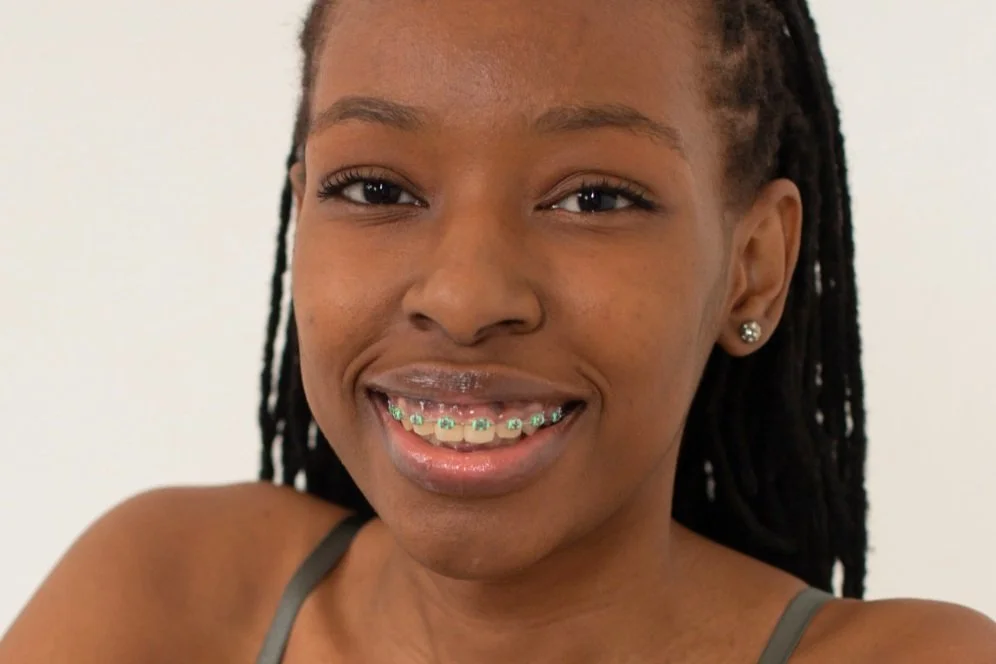
Diving Deeper: How to Keep Your Teeth Clean with Braces
Whether you’re wearing traditional braces, ceramic brackets, or clear aligners, here’s how to maintain your oral hygiene effectively:
1. Brush Thoroughly (and Often)
You should brush your teeth:
After every meal (or at least twice a day)
For a full 2 minutes each time
Using a soft-bristled toothbrush or an electric toothbrush
At a 45-degree angle, gently brushing above and below the brackets
Pro tip: Angle your brush to reach under wires and brackets. Pay special attention to the gum line and back teeth.
2. Floss Daily (Yes, Even with Braces)
Flossing might feel tricky at first, but it’s absolutely necessary. Try:
Orthodontic floss threaders
Super floss (pre-threaded floss with a spongy section)
Water flossers (gentle and effective)
Daily flossing removes food debris and plaque from between the teeth, where your brush can’t reach.
3. Regular Professional Cleaning
Yes, you can (and should!) still visit your general dentist for cleanings every 6 months, or more often if advised.
Wondering “Can a dentist clean your teeth with braces on?” — Absolutely! In fact, your dentist will know exactly how to navigate around your appliances to remove plaque buildup and polish those hard-to-reach spots.
4. Watch for White Spots After Braces
White spots (decalcification) are often caused by plaque left around brackets. Prevent them by:
Brushing and flossing properly
Limiting sugary and acidic foods
Using fluoride products
Coming in for regular check-ups at Hugo Orthodontics
5. Avoid These High-Risk Foods
Certain foods can damage braces or promote plaque buildup. Avoid:
Sticky foods: gum, caramel
Hard snacks: nuts, popcorn
Chewy sweets: jelly candies
Sugary drinks: sodas, sports drinks
Also be cautious with crunchy raw veggies — chop them into small pieces.
6. Keep Aligners Clean Too
If you're wearing clear aligners, your oral hygiene routine is just as important:
Rinse aligners every time you remove them
Brush aligners gently with a separate toothbrush and water (no toothpaste!)
Avoid eating or drinking anything besides water with them in
Clean aligners thoroughly with aligner cleaning crystals or gentle soap

How Hugo Orthodontics Supports Your Oral Health
At Hugo, we don’t just straighten teeth — we help patients form lifelong habits that protect their smiles for the long run. Our team:
✅ Provides customised oral hygiene instructions for every patient
✅ Reviews brushing techniques at regular check-ups
✅ Supplies samples and recommendations for orthodontic-safe products
✅ Monitors your oral health at every visit
✅ Refers to trusted dental hygienists when extra help is needed
If you’re ever unsure how to clean your braces — or want a quick refresher — we’re just a message away.

Frequently Asked Questions (FAQs)
-
Brush after every meal using a soft toothbrush and fluoride toothpaste. Angle your brush to reach above and below brackets. Use floss threaders or a water flosser once daily, and rinse with a fluoride mouthwash.
-
Rinse your mouth with water first, then brush your teeth thoroughly, making sure to remove any stuck food particles. Use interdental brushes or a proxabrush to clean between brackets and wires.
-
Yes. Dentists and hygienists are trained to clean around brackets and wires safely. Regular dental cleanings are an essential part of your oral hygiene routine during orthodontic treatment.
-
Aligners must be removed before eating or drinking anything except water. After meals, brush your teeth before placing aligners back in. Clean the trays daily to prevent staining or odor.
-
These are usually decalcification spots caused by plaque buildup around brackets. They’re a sign that oral hygiene was not consistent in those areas. In some cases, they can be reduced with fluoride treatments or cosmetic care.
-
Brush after every meal, or at least three times a day. Nighttime brushing is especially important since your mouth produces less saliva while you sleep.
-
Absolutely. In fact, electric toothbrushes often do a better job of removing plaque, especially when paired with an orthodontic brush head.
-
Plaque is a sticky film of bacteria that forms on teeth and around brackets if not cleaned regularly. It feeds on sugars in food and produces acids that can erode enamel, causing decay and gum inflammation.
-
Brush thoroughly using a fluoride toothpaste, floss daily, use mouthwash, and consider adding a water flosser to your routine. Visit your dentist regularly for professional plaque removal.
-
Yes — water flossers are excellent for braces. They help flush food and bacteria from between teeth and under brackets, making them a great tool for people who find traditional floss tricky.
-
Rinse with lukewarm water every time you remove them
Brush gently with a soft toothbrush and mild soap
Use aligner cleaning crystals or special cleaning foam for a deeper clean
Avoid hot water or toothpaste, which can damage the trays
-
Yes. You’ll simply remove your aligners before your cleaning appointment. Regular dental cleanings are encouraged throughout your aligner treatment.
-
Braces don’t cause cavities, but they increase the risk by trapping food and plaque. Proper brushing, flossing, and limiting sugar intake can keep your risk low.
-
Choose a fluoride toothpaste without whitening agents (which can cause uneven color once brackets are removed). Your orthodontist may recommend high-fluoride options if needed.
-
Mild bleeding is usually a sign of inflammation due to plaque. Focus on cleaning the area more thoroughly and flossing daily. If it continues, speak to your orthodontist or dentist.

Conclusion
Oral hygiene is the foundation of every successful orthodontic treatment. At Hugo Orthodontics, we’re here to support your journey with expert care, helpful tools, and personalised guidance.
Whether you’re wearing braces or aligners, we’ll help you build healthy habits that last far beyond the treatment timeline. Have questions? Our team is always ready to help.