Completing your orthodontic treatment is an exciting milestone- but keeping your teeth in their new positions is just as important as straightening them in the first place.
After braces or clear aligners are removed, teeth naturally have a tendency to shift over time. This is why every orthodontic treatment plan includes a retention phase, designed to maintain your results and protect the investment you've made in your smile.
One of the most common questions patients ask is whether they need a fixed retainer or a removable retainer. The answer depends on several factors, including your bite, your orthodontic treatment, your oral hygiene, and your risk of relapse. In many cases, the most effective long-term solution is a combination of both.
Understanding the differences between fixed and removable retainers- and why your orthodontist may recommend one or both- can help you make informed decisions and keep your smile healthy and stable for years to come.
Why Do Teeth Move After Orthodontic Treatment?
Many patients are surprised to learn that teeth can move throughout life- even after successful orthodontic treatment.
During braces or clear aligner treatment, teeth are gradually guided into their ideal positions. While the teeth move relatively quickly, the surrounding bone, gums, and supporting tissues need more time to adapt and stabilise. Immediately after treatment, these tissues naturally encourage the teeth to shift back towards their original positions, a process known as orthodontic relapse.
Natural changes also continue as we age. Everyday forces such as chewing, swallowing, and changes in the bite can all contribute to gradual tooth movement over time.
Retainers are designed to prevent this movement. By holding your teeth in their corrected positions while the surrounding tissues stabilise, and by providing long-term support thereafter, they help preserve your orthodontic results for years to come.
This is why wearing your retainers as instructed is just as important as the orthodontic treatment itself.
Advantages of a Fixed Retainer
Always working to maintain tooth position.
No need to remember to wear it.
Hidden behind the teeth.
Particularly effective at maintaining the alignment of the lower front teeth.
Things to consider
Requires careful cleaning around the bonded wire.
May occasionally need repairs if it becomes loose or damaged.
In many cases, a removable retainer is still recommended alongside a fixed retainer to provide additional long-term stability.
The main reason we may recommend against a fixed retainer is the risk of “Twist effect”. This is when a retainer which is meant to be passive, is distorted during wear, and the patient is unaware that the wire has been twisted and sometimes this can lead to considerable unwanted tooth movement.
What IS A REMOVABLE RETAINER?
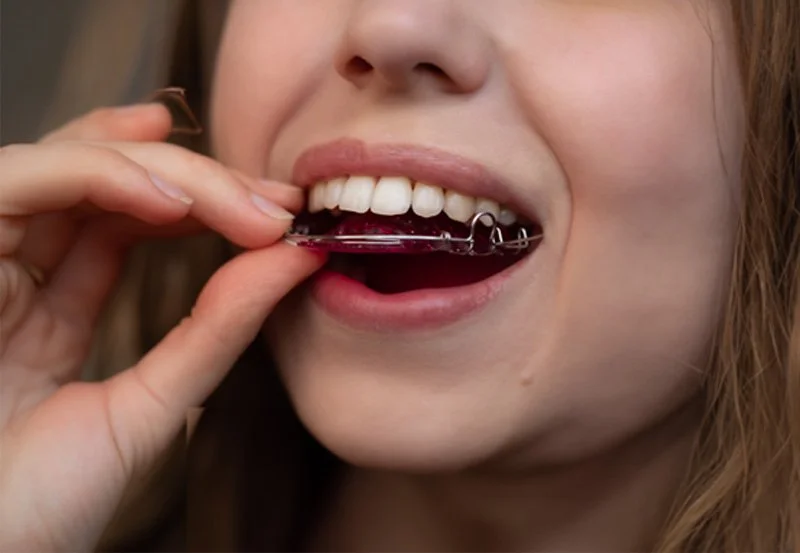
A removable retainer is a custom-made appliance designed to fit comfortably over your teeth and maintain their position after orthodontic treatment. Most patients receive clear retainers that are virtually invisible when worn, although other types of removable retainers may be recommended in certain cases.
Unlike a fixed retainer, a removable retainer can be taken out for eating, drinking, brushing and flossing. This makes it easy to clean and maintain, while still providing excellent support for your teeth when worn as instructed.
One of the key advantages of a removable retainer is that it helps maintain the position of all the teeth and supports the overall bite relationship. For this reason, many orthodontists recommend removable retainers even when a fixed retainer is already in place.

Your orthodontist will advise you on how often your retainer should be worn. Most patients begin by wearing it full-time immediately after treatment before transitioning to nighttime wear as part of their long-term retention plan.

Advantages of a Removable Retainer
Supports the alignment of all the teeth and the overall bite.
Easy to remove for eating and oral hygiene.
Simple to clean and maintain.
Can be replaced if it becomes worn or damaged.
THINGS TO CONSIDER
It must be worn consistently to be effective.
It should always be stored safely when not in use to avoid loss or damage.
Regular reviews are important to ensure it continues to fit properly.
Fixed vs Removable Retainers: Which Is Better?
The answer isn't always one or the other.
Fixed and removable retainers each play an important role in maintaining your orthodontic results, and they are often used together rather than as alternatives.
A fixed retainer provides continuous support, particularly for the lower front teeth, which are naturally more prone to shifting over time. A removable retainer, on the other hand, helps maintain the position of all the teeth and supports the overall bite relationship.
Your orthodontist will recommend the most appropriate retention plan based on your individual treatment, bite, oral hygiene, and long-term stability. For many patients, wearing a removable retainer at night while also having a fixed retainer provides the greatest protection against relapse.
Rather than asking which retainer is better, the more important question is: Which retention plan is right for your smile? A personalised approach helps ensure your orthodontic results remain healthy, functional, and stable for years to come.

Smileway Partner

Invisalign & Spark Certified

More than 35 Years of Excellence
Why Your Retention Plan Is Personalised
No two smiles are the same, which is why there is no single approach to retention.
When recommending a retainer, your orthodontist considers a range of factors, including your original bite, the type of orthodontic treatment you received, your oral hygiene, and how likely your teeth are to shift over time. These factors help determine whether a fixed retainer, a removable retainer, or a combination of both will provide the greatest long-term stability.
The goal isn't just to keep your teeth straight—it's to maintain a healthy, functional bite that remains stable for years to come.
Just as every orthodontic treatment plan is tailored to the individual, every retention plan is designed to provide the right level of support for your unique smile.
How Long Do You Need to Wear a Retainer?
One of the biggest misconceptions about orthodontic treatment is that retainers are only needed for a few months after braces or clear aligners.
In reality, teeth continue to move naturally throughout life. While the greatest risk of relapse occurs immediately after orthodontic treatment, gradual shifting can happen at any age due to normal changes in the teeth, gums, and supporting bone.
For this reason, retainers should be considered a lifelong commitment to maintaining your smile.
Immediately after treatment, your orthodontist will usually recommend wearing your removable retainer full-time, except when eating, drinking, or cleaning your teeth. As your teeth become more stable, you'll typically transition to wearing your retainer at night.
Every patient is different, and your orthodontist will provide a retention plan based on your individual treatment and long-term needs.
The good news is that wearing a retainer becomes a simple part of your daily routine- and it's far easier than having to repeat orthodontic treatment because your teeth have shifted.
How to Care for Your Retainer
Looking after your retainer is essential for maintaining both your oral health and your orthodontic results. Whether you have a fixed retainer, a removable retainer, or both, a few simple habits can help keep your retainer in good condition and ensure it continues to do its job.
Caring for a Fixed Retainer
A fixed retainer requires extra attention during your daily oral hygiene routine. Plaque and food debris can accumulate around the bonded wire, making thorough cleaning especially important.
We recommend:
Brushing carefully around the retainer twice a day.
Cleaning between the teeth with floss, interdental brushes, or a water flosser.
Attending your regular dental check-ups and hygiene appointments.
Caring for a Removable Retainer
Removable retainers should be cleaned every day using a soft toothbrush and cool or lukewarm water. Avoid using hot water, as this can distort the plastic and affect the fit.
When you're not wearing your retainer, always store it in its protective case. Leaving it wrapped in a tissue or loose in a bag increases the risk of it being lost or damaged.
If Your Retainer Feels Tight or Doesn't Fit
A retainer that suddenly feels tight may be an early sign that your teeth have started to move. If your retainer no longer fits comfortably, becomes loose, or is damaged, contact your orthodontist as soon as possible.
In many cases, addressing the problem early can prevent more significant tooth movement and avoid the need for further orthodontic treatment.
FAQs
1. Why do I need a retainer after braces or clear aligners?
After orthodontic treatment, teeth naturally tend to move back towards their original positions. A retainer helps hold your teeth in their new positions while the surrounding bone and soft tissues stabilise, reducing the risk of orthodontic relapse.
2. Which is better: a fixed retainer or a removable retainer?
Neither option is universally better. Fixed and removable retainers serve different purposes, and many patients benefit from having both. Your orthodontist will recommend the most appropriate retention plan based on your treatment, bite, and long-term stability.
3. How long do I need to wear my retainer?
Retainers should be considered a lifelong part of orthodontic care. Most patients wear their retainers full-time immediately after treatment before transitioning to nighttime wear. Your orthodontist will advise you on the best schedule for your individual case.
4. Can my teeth move years after braces?
Yes. Teeth can continue to move naturally throughout life due to ageing, normal bite changes, and everyday forces such as chewing. Wearing your retainers as instructed is the best way to maintain your orthodontic results.
5. What happens if I stop wearing my retainer?
If you stop wearing your retainer, your teeth may gradually shift out of alignment. The longer retainers are left out, the greater the chance that additional orthodontic treatment may be needed to correct the movement.
6. How often should a retainer be replaced?
Removable retainers naturally wear over time and may need replacing if they become loose, cracked, or damaged. Fixed retainers can also require repair if the bonded wire becomes detached. Your orthodontist will check your retainers during routine reviews.
7. How do I know if my retainer no longer fits?
If your retainer feels unusually tight, uncomfortable, or no longer fits over your teeth, it may indicate that your teeth have started to move. Contact your orthodontist as soon as possible to prevent further relapse.
8. Can I straighten my teeth again if they've moved after braces?
Yes. Minor relapse can often be corrected with clear aligners or braces. The sooner you seek orthodontic advice, the simpler the treatment is likely to be.
9. Can you straighten teeth without braces?
Depending on the complexity of your case, clear aligners may be an effective alternative to traditional braces. During your consultation, your orthodontist will determine which treatment option is most suitable for your smile.
10. How much do retainers cost in Johannesburg?
The cost of retainers varies depending on the type of retainer required and whether it is being provided after orthodontic treatment or as a replacement. During your consultation, your orthodontist will explain the options available and provide a personalised quotation.
11. How do I clean my retainer?
Removable retainers should be cleaned daily using a soft toothbrush and cool or lukewarm water. Fixed retainers require careful brushing and cleaning around the bonded wire using floss, interdental brushes, or a water flosser to maintain healthy teeth and gums.
12. Can a fixed retainer break?
Yes. Although fixed retainers are designed to be durable, the bonded wire can occasionally become loose or detached. If this happens, contact your orthodontist promptly to prevent unwanted tooth movement.
13. Can I eat normally with a fixed retainer?
Yes. Because fixed retainers are bonded to the inside of your teeth, they do not usually affect eating. However, maintaining excellent oral hygiene around the wire is essential.
14. Where can I get replacement retainers in Johannesburg?
If your retainer has been lost, damaged, or no longer fits correctly, a specialist orthodontist can assess your teeth and provide a custom-made replacement retainer to help maintain your smile.
15. Who should I see for retainers and teeth straightening in Johannesburg?
For the best long-term results, retainers and orthodontic treatment should be planned by a specialist orthodontist. A specialist will assess your bite, tooth alignment, and long-term stability before recommending a personalised treatment and retention plan.
Follow Our Socials: