
Open Bite Explained: Causes, Symptoms, Long-Term Risks and the Best Treatment Options
When most people hear the word ‘braces’ they think of crooked teeth. But bite problems can be just as important — especially something called an open bite.
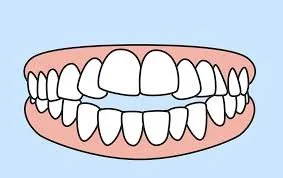
An open bite happens when your upper and lower teeth don’t touch when your mouth is closed. You might notice a gap between your front teeth when biting down (this is called an anterior open bite), or in some cases, the gap can be at the back teeth (a posterior open bite).
While it may seem like a cosmetic concern, an open bite can affect much more than appearance. It can make chewing less effective, affect speech, place strain on the jaw, and impact long-term dental health. Over time, it may contribute to uneven tooth wear, jaw discomfort, or even TMJ-related issues.
The good news is that early assessment makes a significant difference. In children, addressing an open bite during growth can reduce the need or severity of more complex treatment later. In adults, personalised orthodontic care can improve both function and overall facial balance.
If you’ve noticed a gap when you bite down or have concerns about how your teeth come together, an orthodontic consultation can help determine the cause and the best way forward.
• Specialist orthodontists • Digital scanning • Flexible payment plans
• Specialist orthodontists • Digital scanning • Flexible payment plans
What Is an Open Bite?
An open bite happens when certain upper and lower teeth do not touch when the jaws close. Instead of forming a complete, functional bite, a space remains between opposite teeth.
There are two primary types:
1. Anterior Open Bite
This is the most common form. The front upper and lower teeth fail to overlap or meet, leaving a visible vertical gap. Patients with anterior open bite often struggle to bite into foods like sandwiches or apples.
2. Posterior Open Bite
In this type, the back teeth do not make contact when the mouth closes. While less noticeable visually, it can significantly impair chewing efficiency.
An open bite can be either:
Dental open bite – caused by tooth positioning.
Skeletal open bite – caused by jaw structure or vertical growth patterns.
Combination of dental and skeletal.
Understanding whether the issue is dental, skeletal, or both, is critical, as treatment approaches differ significantly.
What Causes an Open Bite?
The causes of an open bite vary depending on age, development and jaw structure. In many cases, the condition develops during childhood due to habits or growth patterns.
Prolonged Thumb Sucking or Pacifier Use
One of the most common causes of open bite in children is extended thumb sucking or pacifier use beyond early developmental years (over 2-3 years old). Continuous pressure from these habits can push the front teeth forward and prevent normal vertical eruption.
Tongue Thrusting
Tongue thrusting occurs when the tongue pushes against the front teeth during swallowing or speaking. Over time, this repetitive pressure can prevent the teeth from closing properly, contributing to anterior open bite.
Skeletal Growth Patterns
Some individuals naturally develop a vertical facial growth pattern where the lower jaw rotates downward and backward. This skeletal structure may prevent proper tooth contact and result in a skeletal open bite.
Genetics
Jaw size and facial proportions are inherited traits. A family history of open bite or vertical growth patterns may increase the likelihood of developing the condition.
Temporomandibular Joint (TMJ) Issues
In some adults, TMJ disorders or joint degeneration can alter bite alignment, potentially contributing to a posterior open bite.
Why Early Detection Matters
Early orthodontic evaluation (ideally by age seven) allows specialists to monitor jaw development and intervene before habits or growth patterns become permanent. Habit-breaking appliances, growth-modifying devices or early orthodontic treatment can significantly reduce the need for complex correction later.
In adults, although growth is complete, open-bite correction remains highly effective with modern orthodontic techniques.

Signs and Symptoms of an Open Bite
Recognising open bite symptoms early can prevent long-term complications.
Common signs include:
Visible gap between upper and lower front teeth
Difficulty biting into foods
Chewing primarily with back teeth
Speech issues, particularly lisping
Mouth breathing
Jaw discomfort or tension
Excessive wear on back teeth
Facial elongation or vertical growth appearance
Children may struggle with pronunciation or messy eating due to difficulty incising food. Adults often report chewing fatigue or uneven pressure on certain teeth.
What Happens If an Open Bite Is Left Untreated?
An untreated open bite can create progressive functional and structural problems. When teeth do not meet properly, the bite force is unevenly distributed. This can result in:
Excessive wear on back teeth
Tooth fractures
Digestive strain due to improper chewing
Speech difficulties
Jaw pain or TMJ disorders
Increased risk of gum problems
In skeletal open bite cases, facial imbalance may become more noticeable over time. Because the front teeth do not share the load of chewing, the back teeth absorb excessive pressure, increasing the likelihood of damage.
The longer an open bite remains untreated, the more complex correction may become. Early orthodontic intervention often prevents avoidable complications and long-term restorative procedures.

How to Fix an Open Bite:
If you’re wondering how to fix an open bite, treatment depends on severity, age and whether the issue is dental or skeletal.
Braces for Open Bite Correction
Traditional braces are highly effective for dental open bite cases. Specialised mechanics and elastics help close the vertical gap and guide teeth into proper alignment.
Clear Aligners
Clear aligners such (Hugo Aligners, Spark or Invisalign) can treat mild to moderate open bites by gradually repositioning teeth. In most cases, small tooth-coloured attachments are used to help control tooth movement.
Habit-Breaking Appliances
For children, appliances may be used to stop thumb sucking or correct tongue thrusting. Addressing the underlying habit is essential for stable results.
Temporary Anchorage Devices (TADs)
Modern orthodontics sometimes uses small anchorage devices to help intrude or reposition teeth more predictably in open bite cases.
Orthognathic (Jaw) Surgery
Severe skeletal open bite in adults may require surgical correction to reposition the jaws. Surgery is typically combined with braces for comprehensive treatment.
Open Bite in Children vs Adults
In children, open bite correction is often simpler because growth can be guided. Eliminating habits early significantly improves long-term stability.
In adults, while jaw growth is complete, orthodontic treatment remains highly successful. Surgical intervention may be considered in severe skeletal cases, but many patients achieve excellent results without surgery.
When Should You See an Orthodontist?
If you notice a visible gap between your upper and lower teeth when biting down, difficulty chewing or speech changes, scheduling an orthodontic evaluation is recommended.
Parents should seek assessment if their child:
Continues thumb sucking beyond early childhood
Has difficulty biting into food
Shows signs of speech delay
Displays a visible open gap when closing their mouth
An orthodontic consultation provides clarity. It does not automatically mean braces or surgery- it simply offers a professional diagnosis and personalised treatment plan.
A properly aligned bite supports efficient chewing, clear speech and long-term dental health. Whether you’re exploring treatment for yourself or your child, addressing an open bite early can prevent complications, improve function and enhance confidence.
Modern orthodontic treatment makes open bite correction more precise and comfortable than ever protecting your smile for years to come.

FAQs About Open Bites:
-
Description teAn open bite is a type of malocclusion where the upper and lower teeth do not touch when the mouth is fully closed. Instead of forming a complete bite, a gap remains between certain teeth. The most common type is an anterior open bite, where the front teeth do not meet. A posterior open bite occurs when the back teeth fail to make contact. Open bites can affect chewing, speech and long-term dental stability if left untreated.xt goes here
-
The most common causes of open bite include prolonged thumb sucking, extended pacifier use, tongue thrusting/abnormal resting tongue posture and abnormal jaw growth patterns. Genetics may also play a role, particularly in skeletal open bite cases. In adults, TMJ disorders or degenerative joint changes can sometimes contribute. Identifying the underlying cause is essential for effective open bite treatment and long-term stability.
-
Yes, an open bite can be genetic, especially when related to skeletal growth patterns. Some individuals inherit vertical facial growth tendencies that affect how the jaws align. However, many open bites in children are caused or worsened by habits such as thumb sucking or tongue thrusting. Early orthodontic evaluation helps determine whether the issue is hereditary or habit-related.
-
In many cases yes. Braces for open bite correction are one of the most reliable treatment options. Braces use brackets, wires and elastics to gradually close the vertical gap and align the teeth properly. In many cases, specialised mechanics are used to guide vertical tooth movement. Treatment duration depends on severity, but braces are highly effective for dental open bite cases.
-
In many cases yes. Braces for open bite correction are one of the most reliable treatment options. Braces use brackets, wires and elastics to gradually close the vertical gap and align the teeth properly. In many cases, specialised mechanics are used to guide vertical tooth movement. Treatment duration depends on severity, but braces are highly effective for dental open bite cases.
-
Clear aligners like Invisalign, Hugo Aligners or Spark Aligners can treat a mild to moderate open bite, particularly when the issue is dental rather than skeletal. Aligners gradually reposition teeth and may include attachments to help control vertical movement. Severe skeletal open bites may require more advanced orthodontic techniques or surgery. Consistent aligner wear is essential for successful correction.
-
Not always. Many open bites can be corrected with orthodontic treatment alone. However, open bite surgery (orthognathic surgery) may be recommended for severe skeletal open bite in adults where jaw position is the primary cause. Surgery is typically combined with braces for comprehensive bite correction. An orthodontist will determine whether surgery is necessary after a full evaluation.
-
An anterior open bite occurs when the upper and lower front teeth do not touch when the mouth is closed. This type of open bite often makes it difficult to bite into foods like sandwiches or fruit. It may also contribute to speech problems or lisping. Anterior open bite is commonly linked to tongue thrusting or prolonged thumb sucking during childhood.
-
A posterior open bite happens when the back teeth fail to meet while the front teeth touch. Although less visible, this condition can significantly affect chewing efficiency. Patients may experience uneven bite pressure and increased wear on certain teeth. Posterior open bite may result from jaw growth irregularities or TMJ-related changes.
-
Yes, an untreated open bite can worsen. Continued tongue thrusting, teeth grinding or jaw growth may increase the gap between teeth. Over time, uneven pressure on back teeth can lead to enamel wear, fractures or jaw strain. Early intervention reduces the risk of progressive complications.
-
Yes. Prolonged thumb sucking is one of the most common causes of open bite in children. Continuous pressure on the front teeth can prevent proper eruption and alignment, leading to a vertical gap. The earlier the habit is stopped, the greater the chance of spontaneous correction or simpler orthodontic treatment.
-
Tongue thrusting occurs when the tongue pushes forward against the teeth during swallowing or speaking. This repetitive force can gradually move the front teeth outward and prevent them from closing properly. Treating tongue thrust often involves orthodontic correction combined with myofunctional therapy to retrain tongue positioning.
-
Yes. An open bite, particularly anterior open bite, can interfere with sound production and cause speech issues such as lisping. Because the front teeth do not meet, air escapes differently during pronunciation. Correcting the bite often improves speech clarity, especially when combined with speech therapy if needed.
-
The duration of open bite correction depends on severity and treatment type. Mild cases may take 15–18 months, while more complex cases can take 18–24 months or longer. Surgical cases require additional preparation and recovery time. A personalised orthodontic consultation provides an accurate timeline.
-
Yes. Adult open bite treatment is highly effective with modern orthodontic technology. While jaw growth is complete in adults, braces, aligners and advanced techniques like temporary anchorage devices (TADs) can correct many cases successfully. Severe skeletal cases may require surgical intervention, but many adults achieve excellent results without surgery.
-
Yes. Adult open bite treatment is highly effective with modern orthodontic technology. While jaw growth is complete in adults, braces, aligners and advanced techniques like temporary anchorage devices (TADs) can correct many cases successfully. Severe skeletal cases may require surgical intervention, but many adults achieve excellent results without surgery.
-
Description texAn untreated open bite can lead to uneven tooth wear, chewing difficulties, digestive strain and jaw discomfort. Back teeth may absorb excessive force, increasing the risk of fractures. Speech problems may persist. Over time, untreated open bite may require restorative dental treatment, which can be costly and avoidable with early correction.t goes here
-
Orthodontic treatment involves mild pressure rather than significant pain. Patients may experience temporary discomfort after adjustments or when switching aligners, but this typically resolves within a few days. Surgical cases involve a recovery period, but modern procedures prioritise patient comfort and safety.
-
The cost of open bite treatment varies based on severity, treatment type and duration. Braces and aligners differ in pricing, and surgical correction involves additional hospital expenses. Many orthodontic practices offer flexible payment options. A consultation provides a customised cost estimate.
-
Yes. An open bite can create imbalance in jaw movement and strain the temporomandibular joints. Patients may experience jaw clicking, popping or discomfort. Correcting bite alignment often improves joint function and reduces symptoms
-
Children should have an orthodontic evaluation by age seven. Early detection allows for habit intervention and growth guidance. Treating open bite during growth years often simplifies correction. However, it is never too late — adults can also benefit from personalised orthodontic treatment.
-
Look for an experienced orthodontist who offers comprehensive diagnostics, digital imaging and customised treatment plans. Ask about experience treating anterior and skeletal open bite cases. A thorough consultation ensures the most predictable, stable and effective results.